Plumbing FAQs | Santa Cruz, CA
Frequently Asked Questions | Plumber in Santa Cruz, California
If you own a home in Santa Cruz, you have probably dealt with at least one plumbing problem that left you searching for answers before deciding who to call. We put this page together because we hear the same questions every week from homeowners throughout Santa Cruz and nearby communities like Soquel, Capitola, Aptos, Felton, Scotts Valley, and Mount Hermon, and we want those answers to be easy to find in one place. Santa Cruz Plumbing Pros has been handling drain cleaning, water heater repair and installation, tankless water heater service, pipe repair and repiping, water line repair and replacement, fixture installation, garbage disposal repair, gas line work, slab leak detection and repair, and emergency plumbing throughout this area long enough to have seen essentially every plumbing situation this city’s housing stock can produce. Many homes in Santa Cruz were built in the 1960s and 1970s with galvanized supply lines and original drain infrastructure that is now several decades past its expected service life, and hard water conditions throughout the area accelerate the wear on fixtures, water heaters, and pipes faster than homeowners in softer water regions typically expect.
Every question below comes from a real conversation we have had with a Santa Cruz homeowner, either on the phone or at their door. We have answered each one as directly and practically as we can, because the goal is to give you genuinely useful information, not to fill a page with words. If your specific question is not here, contact us today and we will answer it directly.
General Plumbing Questions in Santa Cruz
What plumbing services does Santa Cruz Plumbing Pros offer?We provide full residential plumbing services throughout Santa Cruz and surrounding communities. This includes drain cleaning, water heater repair and installation, tankless water heater service, pipe repair and whole-home repiping, water line repair and replacement, fixture installation and repair, garbage disposal repair and installation, gas line repair and installation, slab leak detection and repair, plumbing inspection, and 24 hour emergency plumbing. We cover every common residential plumbing need for homes of all ages across Santa Cruz, Soquel, Capitola, Aptos, Felton, Scotts Valley, Mount Hermon, and beyond.
How do I know if a plumbing problem is an emergency?Any situation involving active water loss into the structure of your home, sewage backing up into living spaces, a suspected gas leak, or complete loss of an essential function like water supply or toilet use should be treated as an emergency. Active flooding, burst pipes, water heater leaks that are soaking surrounding areas, and main sewer backups all qualify. Slow drains, dripping faucets, and reduced water pressure are real problems that need attention but can typically be scheduled rather than treated as emergencies. When you are unsure, call us and describe the situation. We will give you an honest assessment of the urgency level.
Are you a good option for older homes in Santa Cruz?Yes, and older homes are a significant part of our everyday work. The best plumber for older homes in Santa Cruz is one who knows what the common pipe materials and drain configurations from each era look like at their current age. We understand the challenges of galvanized supply lines, cast iron drain stacks, aging shutoff valves, and the various modifications that accumulate in homes over decades of different owners making different decisions. Plumbing problems in older Santa Cruz homes are a specialty of ours, not an exception we handle reluctantly.
What causes low water pressure in Santa Cruz homes?What causes low water pressure in Santa Cruz homes most commonly is one of three things. A failed or worn-out pressure regulator is the most frequent culprit for whole-house pressure drops, and regulators have a service life of ten to fifteen years. Corroded galvanized supply lines that have narrowed significantly from internal scale accumulation over decades are the second most common cause in older homes. A partially closed main shutoff valve, a leak in the supply system, or a clogged aerator at a specific fixture can also produce pressure issues. We diagnose the actual source before recommending any fix.
What is the difference between a plumbing repair and a plumbing replacement?A repair addresses a specific failed component in a system that is otherwise functioning. Replacing a worn faucet cartridge, clearing a drain clog, or fixing a leaking pipe joint are all repairs. A replacement is warranted when the component itself has failed structurally or has reached the end of its service life and continued repair would be a temporary fix on a deteriorating system. Replacing a cracked toilet, a corroded water heater tank, or an entire run of original galvanized supply lines are replacements. We help homeowners understand which category their situation falls into and why.
Do you offer plumbing inspections in Santa Cruz?Yes. A home plumbing inspection in Santa Cruz from our team covers all accessible plumbing components, including supply system pressure and visible pipe condition, drain and vent system assessment, water heater condition and age, fixture function and leak status, shutoff valve operation, and any visible signs of past leaks or deferred maintenance. We give homeowners a clear picture of the current state of their plumbing system and flag anything that needs immediate attention versus items to monitor over the near term. This service is particularly valuable before purchasing an older home in the Santa Cruz area.
How do I find my main water shutoff valve?The main water shutoff in most Santa Cruz homes is located at one of several common spots. In homes with a crawlspace or basement, it is usually on the supply line where it enters the foundation, often near the front of the house. In homes with a concrete slab foundation, it may be in a utility closet, under the kitchen sink, or in the garage. There is also typically a shutoff at the meter box in the yard or at the street. We recommend locating yours before a plumbing emergency forces you to search for it under pressure. Knowing where it is can make a significant difference in how much damage a burst pipe causes.
How do I know if I need a same day plumber in Santa Cruz?How soon for same day plumber service in Santa Cruz depends on the situation. If water is actively leaking into your home or yard, if sewage is backing up into fixtures, if you have no hot water and cannot manage without it, or if a plumbing component has failed in a way that prevents normal household function, same day service is appropriate. We offer same day plumbing throughout Santa Cruz and surrounding communities. Contact us early in the day for the best chance of same-day availability, and always describe the situation accurately so we can prioritize correctly.
What should I do before the plumber arrives?For an active leak or burst pipe, shut off the main water supply to stop water from continuing to enter the structure. Move items away from the affected area to limit secondary water damage. Locate and note the main shutoff location so you can show us quickly when we arrive. For a suspected gas issue, evacuate the home and call 911 before doing anything else. For a drain backup, stop using all water-dependent fixtures to prevent additional sewage entry into the home. When you call us, we will give you specific guidance for your situation while we are in transit.
Do you work in condos and multi-unit buildings?Yes. We provide plumbing services throughout Santa Cruz in single-family homes, condos, townhomes, duplexes, and small apartment buildings. Multi-unit plumbing involves specific considerations including shared drain stacks, limited shutoff access, and HOA or property management coordination. We are experienced with these configurations and work professionally in both owner-occupied and tenant-occupied units. For a plumbing issue that may involve shared building infrastructure, we help identify whether the problem is in the individual unit or the shared system and advise on the appropriate course of action.
What plumbing problems do you see most often in Santa Cruz?The most frequent calls we get throughout Santa Cruz fall into a few consistent categories. Drain clogs and sewer backups are the most common single call type. Water heater failures, especially in homes where the unit is past its expected service life, are the next most frequent. Pipe leaks in older homes with original galvanized supply lines come in right behind that. Garbage disposal jams and failures are a regular fixture service call in family kitchens throughout the area. And slab leaks from aging copper under-slab lines in homes built in the 1960s and 1970s are a category we address consistently throughout the year in older Santa Cruz neighborhoods.
Is hard water a problem for plumbing in Santa Cruz?Yes, and it affects multiple components of the plumbing system in ways that homeowners sometimes do not connect to their water quality until a professional points it out. Hard water accelerates sediment accumulation inside water heater tanks, which shortens tank life and reduces efficiency. It builds scale inside faucet cartridges and showerheads, reducing performance and shortening service life. It deposits mineral crust on the interior surfaces of drain lines, contributing to slow drain conditions over time. And it is particularly aggressive on the heat exchanger surfaces inside tankless water heaters, making annual descaling maintenance important throughout much of the Santa Cruz area.
Can you help me understand whether to repair or replace aging plumbing systems?Yes, and we take this question seriously because the answer has real financial implications either way. When to repipe vs repair pipes in Santa Cruz depends on the pipe material, the age of the system, the nature of the current failure, and the history of past repairs. We evaluate all of these factors when we assess a pipe problem and give homeowners an honest recommendation rather than defaulting to the larger project in every situation. We are willing to explain our reasoning fully and answer follow-up questions so homeowners feel confident in whatever decision they make.
Drain Cleaning and Clog FAQs in Santa Cruz
Drain cleaning in Santa Cruz, what does it involve?Drain cleaning in Santa Cruz from Santa Cruz Plumbing Pros starts with a proper assessment of where the clog is and what is causing it, because the right clearing method depends on both of those answers. We use camera inspection for drain lines with recurring clogs or main sewer backups. We use mechanical snaking for straightforward localized clogs. We use hydro jetting for grease-coated drain lines, root-infiltrated sewer laterals, and any situation where the interior of the pipe has accumulated coating that mechanical snaking cannot remove. We do not just push a snake through and consider it done.
What is hydro jetting and when does it beat regular snaking?Hydro jetting vs snaking in Santa Cruz is a comparison that comes down to what the clog is and where it is. A mechanical snake clears an obstruction by pushing through it or pulling it out, but it does not clean the pipe walls. Hydro jetting uses high-pressure water delivered through a specialized nozzle that simultaneously cuts forward through the clog and scours the pipe interior as it advances. For grease-coated kitchen drain lines, soap-and-hair-packed bathroom branch lines, or sewer laterals with root intrusion, hydro jetting produces a more complete and longer-lasting result because it removes the wall coating rather than just creating a channel through it.
Why do some drains in older Santa Cruz homes keep clogging repeatedly?What causes repeated drain clogs in older homes in Santa Cruz is usually one of three things: accumulated grease or soap scum coating on the interior of drain pipes that was never fully removed in previous clearing attempts; tree root intrusion into clay or concrete sewer laterals that has been growing unchecked; or a sag or structural irregularity in an older drain line that causes debris to collect at a specific low point repeatedly. Mechanical snaking addresses none of these root causes. Camera inspection reveals which of these is actually happening, and targeted professional treatment addresses it properly rather than temporarily.
How do I know if my main sewer line is backed up versus a single fixture clog?The clearest indicator of a main sewer line backup is when multiple fixtures are backing up simultaneously. If flushing an upstairs toilet causes water to rise in a downstairs bathtub, the main line is the source. If every drain in the house is slow at the same time, the blockage is in a shared section of the drain system. A single-fixture clog affects only that fixture and the drains directly connected to it. When the symptoms involve multiple fixtures, stop using all plumbing immediately and contact us, because continued use will push more waste into a backed-up main line and make the situation worse.
Can tree roots really damage sewer lines in Santa Cruz?Yes, and sewer line cleaning for tree roots is one of the most consistent services we provide throughout older Santa Cruz neighborhoods. Root intrusion happens when roots from trees growing on or near the property find any crack, joint gap, or small opening in an aging sewer lateral and grow into it, attracted by the moisture and nutrients inside. Once inside, roots grow rapidly and can block the line completely, crack the pipe from internal expansion, or cause recurring backups even after repeated clearing. In older sections of Santa Cruz and surrounding communities like Aptos and Live Oak with mature tree canopy and aging clay laterals, root intrusion is a regular finding on camera inspection.
Is it okay to use chemical drain cleaners in older Santa Cruz homes?We advise against chemical drain cleaners in older Santa Cruz homes specifically. The caustic chemicals in liquid drain cleaners, primarily sodium hydroxide, work by partially dissolving organic clogs, but they do this imperfectly, leaving the bulk of the clog material in place while exposing the pipe interior to a corrosive chemical that accelerates degradation in aged cast iron and older plastic fittings. The drain appears to clear temporarily and then recogs, often within days, having been partially hardened by the chemical reaction. The pipe has experienced chemical exposure with no lasting benefit. Professional drain cleaning addresses the cause. Chemical drain cleaners delay the call and damage the pipe in the process.
How often should drain lines in a Santa Cruz home be professionally cleaned?For most households in Santa Cruz, a professional drain cleaning on main drain lines every two to three years is a reasonable preventive interval if there is no history of recurring problems. For kitchens with heavy daily cooking and frequent disposal use, annual cleaning of the kitchen drain line may be appropriate. For homes in older Santa Cruz neighborhoods with clay sewer laterals under properties with significant tree canopy, a camera inspection every two to three years is worth the investment to monitor root growth before it causes a full backup. For homes that have had a main line backup already, we give specific guidance on recommended maintenance intervals based on what we found.
What should I do when a drain backs up suddenly?Stop using all plumbing fixtures immediately if multiple drains are affected, because continued use forces more waste into a backed-up main line. For a single-fixture backup, close the supply valve or stop using that fixture and try a plunger with proper technique if the clog seems localized. If a toilet is backing up into other fixtures when flushed, that is a main line indicator and all fixtures should stop being used. Contact us for same day drain cleaning service in Santa Cruz as soon as the backup is identified. Do not wait to see if it resolves on its own, because a developing main line blockage will only worsen with additional use.
Do you handle floor drain cleaning in garages and utility rooms?Yes. Floor drain cleaning in utility rooms, garages, and basements throughout Santa Cruz is a service we handle with the same methodical approach we bring to any drain cleaning job. Floor drains are often neglected until they back up during a heavy rain event or a washing machine cycle, and by then they can cause water damage to surrounding flooring and the subfloor structure. We clear floor drains with appropriate equipment and inspect the drain line condition. For drain lines that have been dry for years and have accumulated debris in the trap, we restore proper function and advise on a maintenance schedule to prevent future issues.
Water Heater Repair and Installation FAQs in Santa Cruz
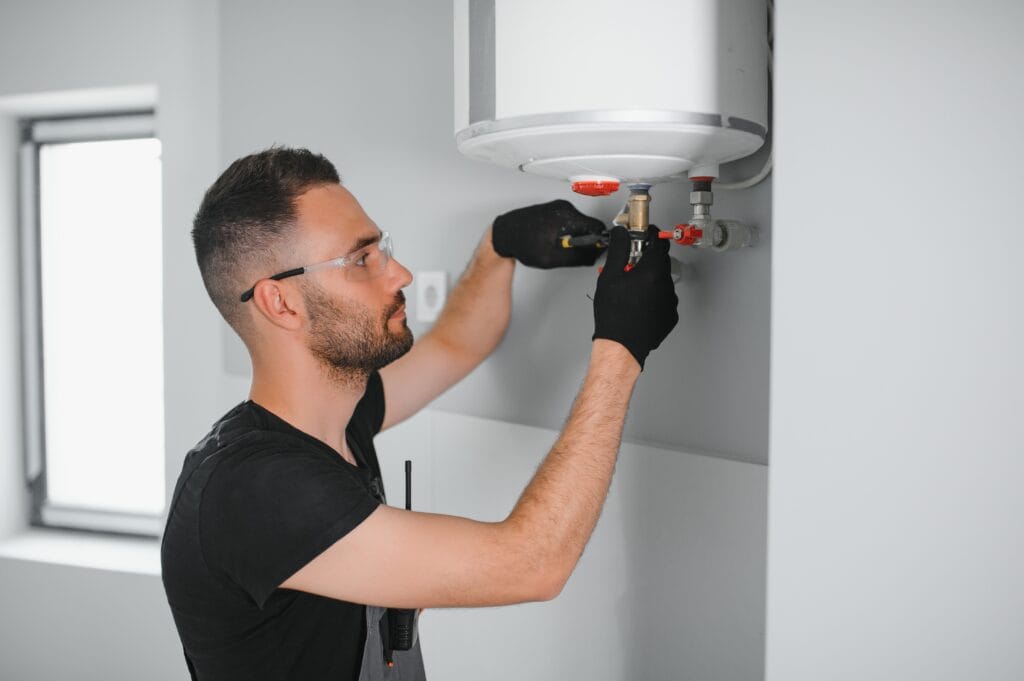
Water heater repair in Santa Cruz, what do you handle?We handle the full range of water heater repair in Santa Cruz, including no-hot-water diagnostics and repair on both gas and electric units, leaking water heater assessment and repair, pilot light service on gas water heaters, thermocouple and thermostat replacement, element replacement on electric units, anode rod replacement, sediment flushing, pressure relief valve testing and replacement, and repair of tankless water heater systems. We work on all major brands and on units of all ages, including older units in Aptos and Soquel homes that have been running since the late 1990s.
When should I call for no hot water in Santa Cruz?When to call for no hot water in Santa Cruz is a straightforward question. If you have no hot water at any fixture and the water heater is confirmed to be running, call us. If the water heater is making unusual noises, leaking, or displaying error codes in addition to the no-hot-water symptom, call us immediately. Do not attempt to relight a gas pilot if you smell gas in the area of the water heater. For a gas water heater pilot that has gone out without any gas smell, you can follow the relighting instructions on the unit label, but if it will not stay lit after two attempts, stop and call us. Continued failed relighting attempts can create an unsafe gas accumulation inside the water heater chamber.
Signs my water heater needs replacement in Santa Cruz?Signs my water heater needs replacement in Santa Cruz include: the unit is over twelve years old for a tank-style water heater; water is leaking from the bottom of the tank, indicating internal corrosion; the water heater has needed service calls twice in the past two years; rust-colored hot water is present and persists after an anode rod replacement; loud rumbling or popping during heating cycles that has not improved after a flush; or the unit consistently fails to maintain the set temperature despite functioning heating components. When multiple indicators are present simultaneously, replacement is almost always the right answer regardless of which individual symptom prompted the call.
Do you install tankless water heaters in Santa Cruz?Yes. Do you install tankless water heaters in Santa Cruz is a question we hear regularly, and the answer is yes, for both new installations and replacements of existing tank units. Our process includes assessing gas line capacity, venting requirements, and electrical supply as part of the installation planning before any work begins. We handle any gas line upgrades needed to support the new unit’s BTU demand, install proper venting appropriate for the specific model and location, and complete a full startup, calibration, and test cycle before considering the installation finished. We also provide annual descaling maintenance for tankless units already in service throughout Santa Cruz and surrounding communities.
What causes a water heater to make loud popping sounds?Loud popping or rumbling from a water heater in Santa Cruz is almost always caused by sediment accumulation at the bottom of the tank. The sediment layer, composed primarily of calcium and magnesium minerals from the local water supply, traps small pockets of water beneath it. As the burner heats the tank, those trapped water pockets superheat and flash, creating the popping and rumbling sounds. Annual water heater maintenance including a professional tank flush prevents this accumulation from developing into a thick layer. In areas of Santa Cruz with harder water, including mountain communities that draw from well sources, sediment accumulates faster and annual maintenance is more important than in softer water areas.
Can a leaking water heater be repaired?It depends entirely on where the leak is coming from. Leaks at fittings, supply connections, and the pressure relief valve discharge pipe are repairable without replacing the unit. A water heater leaking from the bottom where the tank floor or liner has corroded through is not repairable in any practical sense, and replacement is the only real fix. We confirm the actual source of the leak before making any recommendation, because occasionally what appears to be a bottom leak originates at the drain valve or a nearby fitting rather than the tank itself, and those specific situations can be addressed without full replacement.
How long does water heater replacement take in Santa Cruz?How long does water heater replacement take in Santa Cruz for a standard tank unit is typically two to three hours when the new unit is a like-for-like replacement and no gas line or venting modifications are required. When additional work is required, such as a gas line upgrade for a larger unit, new venting installation for a different unit type, or electrical work for an electric-to-gas conversion, the timeline extends and we discuss the full scope upfront. Tankless water heater installations that include new venting and gas line work typically take a full day. We give you an honest time expectation before beginning rather than discovering additional scope mid-project.
What is an anode rod and how often should it be replaced?The anode rod is a metal rod inside the water heater tank made of magnesium or aluminum that corrodes preferentially, protecting the steel tank liner from rust. When the rod is fully depleted, the tank liner begins to corrode, leading to rusty water and eventual tank failure. Most water heater manufacturers recommend inspection every three to five years and replacement when the rod has corroded significantly. In the Santa Cruz area, where water conditions vary from city supply to well-sourced communities, anode rod depletion rate varies accordingly. Replacing the anode rod proactively before the tank liner begins to corrode is one of the most cost-effective maintenance actions a Santa Cruz homeowner can take.
Should I repair or replace my tankless water heater?For tankless water heater repair in Santa Cruz, repair makes sense when the failure is in a specific component, including a flow sensor, igniter, heat exchanger scale buildup, or an electronic control board, and the unit is not excessively old. Tankless units typically have a longer expected service life than tank units, often fifteen to twenty years with proper maintenance. Replacement becomes the right conversation when the unit has experienced multiple different system failures within a short period, when the heat exchanger has been damaged beyond descaling recovery, or when the unit is old enough that replacement parts are becoming difficult to source. We assess the specific failure and the unit’s overall condition before making a recommendation.
Can hard water in Santa Cruz shorten the life of my water heater?Yes, and it is one of the more significant factors affecting water heater service life in this area. Hard water deposits calcium and magnesium minerals inside the tank as sediment at a rate that depends on the local water hardness, the water temperature setting, and the volume of hot water used daily. In communities around Felton and Ben Lomond that draw from local well sources with higher mineral content, sediment accumulates faster than in homes on city water supply. Annual professional flushing significantly slows the rate of sediment buildup. For tankless water heaters, annual descaling of the heat exchanger is even more important because scale inside a heat exchanger reduces efficiency and can cause the unit to overheat and fail prematurely.
What temperature should I set my water heater to?The recommended setting for residential water heaters is 120 degrees Fahrenheit, which is hot enough to prevent the growth of harmful bacteria inside the tank while being low enough to reduce scalding risk at fixtures used by children and elderly family members. Water heaters are often delivered from the factory set to 120 degrees but may have been adjusted previously. Settings above 140 degrees significantly increase scalding risk and accelerate sediment formation. For homes where someone has a compromised immune system, a setting of 140 degrees may be recommended to eliminate any risk of waterborne illness, but a thermostatic mixing valve at fixtures is advisable in that case to reduce the delivery temperature at the tap.
Do you handle water heater repair for condos in Santa Cruz?Yes. Water heater repair for condo situations in Santa Cruz involves specific considerations including limited access space, shared gas or electrical systems, HOA requirements for approved work and materials, and coordination with property management for any necessary shutoffs that affect neighboring units. We are experienced with these situations and handle them professionally. For a condo water heater that has failed, we assess the space constraints and the applicable requirements before the work begins so there are no surprises on either side during the installation or repair.
Pipe Repair, Repiping and Water Line FAQs in Santa Cruz
Pipe repair in Santa Cruz, what types do you handle?We handle pipe repair throughout Santa Cruz for all common types of supply and drain pipe failures, including burst pipes, leaking pipes in walls and ceilings, corroded section replacements, frozen pipe repairs, joint and fitting failures, and slab-line repairs accessed through the concrete. We use modern pipe materials including copper and PEX for repairs, selecting the appropriate material for the specific application. We assess the surrounding pipe condition as part of every repair, because an isolated failure in a system with broader deterioration warrants a different recommendation than a single failure in an otherwise sound system.
Water line replacement in Santa Cruz, when is it necessary?Water line replacement in Santa Cruz is necessary when the service line from the city meter to the home has developed a significant leak, when the pipe material has reached end-of-life and targeted repair is no longer a practical approach, or when the pipe material is producing water quality issues that cannot be resolved without replacing the line. For interior water line replacement, the same logic applies: replace when the system as a whole is failing rather than when a single isolated joint has given out. We assess the specific situation and explain why replacement is or is not the right recommendation based on what we find.
How do you detect a slab leak in Santa Cruz?Slab leak detection in Santa Cruz starts with confirming that a leak actually exists beneath the slab through a supply-side pressure test. With all fixtures and appliances off and all shutoffs confirmed closed, a pressure gauge on the supply system that shows measurable pressure drop over a short period confirms active leakage somewhere in the system. Once slab leak detection is the working diagnosis, we use electronic acoustic equipment to listen along the slab surface for the characteristic sound of water escaping under pressure from below. We map the acoustic signal to identify the area of highest intensity, which tells us where to focus the access work.
Do you offer repiping for older homes in Santa Cruz?Yes. Repiping older homes in Santa Cruz is one of the most significant projects we complete, and we do it regularly throughout the city’s older residential neighborhoods. The process begins with a full assessment of the existing supply system, a material recommendation and explanation, and a project schedule that accounts for household disruption. We complete whole-home repipe projects using copper or PEX depending on the home’s configuration and the homeowner’s preference, restore water service to critical areas at the end of each work day in multi-day projects, and pressure-test the completed system before final inspection and approval.
What to do for a burst pipe in Santa Cruz?What to do for a burst pipe in Santa Cruz: the first action is to locate and close the main water shutoff immediately, which stops water from continuing to flow into the structure. If the burst is near any electrical panel, outlet, or wiring, stay out of that area and call your utility company as well as us. Move items away from the affected area to limit secondary water damage. Call us immediately after the shutoff is closed, and we will provide further guidance while in transit. Do not attempt to repair a burst pipe with tape, epoxy, or temporary patches, as these do not hold under normal supply pressure and give a false sense of security while water continues to leak.
What causes slab leaks in older Santa Cruz homes?Slab leak repair in Santa Cruz is primarily a service we provide for homes built with copper supply lines beneath conventional concrete slabs in the 1960s and 1970s. The copper lines in those slabs are now fifty or sixty years old, and several factors cause them to fail. Soil movement from seasonal moisture changes and occasional seismic activity stresses below-slab lines at points where the pipe contacts the slab directly. Corrosive soil chemistry in specific locations accelerates exterior corrosion of the pipe below the slab. And the age of the copper itself eventually produces pinhole corrosion from the interior on pipes that have been carrying the local water chemistry for decades without any maintenance.
How long does a full-home repipe take in Santa Cruz?A whole-home repipe in a typical single-story Santa Cruz home takes two to four days depending on the size of the home, the accessibility of the pipe routes, and the number of fixtures and connection points involved. Multi-story homes take longer proportionally. We schedule the work in coordination with the homeowner’s household schedule, restore water service to critical areas at the end of each workday, and complete the full pressure test and system verification before the project is considered done. We communicate the daily progress and schedule clearly throughout the project so there are no surprises about timing or scope.
What is the difference between copper and PEX repiping?Copper repiping in Santa Cruz uses rigid pipe with soldered or press-fit joints. It is a durable, proven material with excellent resistance to UV exposure and a long track record in all water conditions. PEX pipe installation uses flexible plastic tubing that can be routed through walls and floors with fewer joints than copper requires, which reduces potential leak points in a tight retrofit installation. PEX also has better resistance to freeze damage, which matters for Santa Cruz mountain properties. The right choice depends on the home’s specific configuration and the installation conditions. We explain both options with the pros and cons specific to your home before you decide.
Can a low water pressure problem be fixed without repiping?Yes, in many cases. Low water pressure pipe fix in Santa Cruz often starts and ends with the pressure regulator, which is a relatively straightforward replacement when it is the source of the problem. If the regulator is functioning correctly and pressure is still low, we assess the supply distribution lines for scale accumulation, partial closures, or hidden leaks. In some homes, the pressure can be restored significantly by replacing the regulator and cleaning or replacing aerators and showerheads clogged with mineral scale. When galvanized pipe scale accumulation is so severe that flow is meaningfully restricted throughout multiple lines, targeted replacement of the worst sections often restores adequate pressure without requiring a full repipe.
Garbage Disposal Repair and Installation FAQs in Santa Cruz
Garbage disposal repair in Santa Cruz, what do you fix?We handle all common garbage disposal problems throughout Santa Cruz, including jammed disposals, units that hum but will not spin, units that are completely non-responsive, leaking disposals at the flange, discharge pipe, or motor housing, persistent disposal odors, disposal drain connections that back up into the sink, and reset button failures from motor overload. We also install new disposal units for both new installations and replacements, and we handle garbage disposal replacement for condos and single-family homes throughout the area with proper drain configuration and electrical connection.
How do you fix a jammed garbage disposal in Santa Cruz?How to fix a jammed garbage disposal in Santa Cruz starts with turning off the unit at the switch and cutting power at the circuit breaker before any manual work begins. We use the hex key socket at the bottom center of the disposal to manually rotate the grinding plate back and forth until it moves freely, then locate and remove whatever object caused the jam from the grinding chamber using tongs, not fingers. We inspect the grinding components for damage from the jamming object, press the reset button and restore power, and run the unit through a full test cycle to confirm it is operating correctly before calling the repair complete.
Why does my garbage disposal smell bad even after cleaning?A bad smell from garbage disposal that persists after cleaning in Santa Cruz is usually because the cleaning was surface-level rather than addressing all the locations where organic material accumulates. The underside of the rubber splash guard collects a significant amount of food residue and biofilm that is not visible from above and is not reached by most consumer cleaning methods. The discharge pipe connection below the unit can also harbor grease and food residue that contributes to the smell. We clean the splash guard thoroughly, flush the grinding chamber with an appropriate cleaning solution, and inspect the drain line connection for biofilm accumulation to address all the sources of the odor rather than just the most visible one.
When should a garbage disposal be replaced rather than repaired?Clear signals that garbage disposal replacement makes more sense than repair: the unit is over twelve years old and has required service more than once in the past year; water is leaking from the bottom of the motor housing from internal seal failure; the motor hums but will not turn even after jam clearing and reset; the unit produces a burning smell during operation; or the disposal has developed two or three different problems within a short period. When a unit is in the replacement zone by age and condition, investing in another repair often produces another call within months as additional components reach end-of-life simultaneously.
What should never go into a garbage disposal?The items that most reliably cause disposal problems in Santa Cruz kitchens are: cooking grease, oil, and fats in any quantity, which solidify in the drain line; fibrous vegetables like celery stalks, artichoke leaves, and corn husks, which wrap around the grinding components; hard items like fruit pits, bones, and shellfish shells; starchy foods like pasta, rice, and potatoes, which expand and form a paste; coffee grounds in large quantities; and any non-food items including produce stickers, rubber bands, and small utensils. Running cold water before, during, and for thirty seconds after every use helps move food waste through the drain line and reduces buildup in the disposal chamber.
Does the garbage disposal affect the kitchen drain line?Yes, significantly. The garbage disposal connects directly to the kitchen drain line, and a disposal that is running correctly but draining into a grease-coated drain line will produce a backed-up sink regardless of how well the disposal itself works. Kitchen sink drain keeps backing up is often as much a drain line problem as a disposal problem. We assess both components when the symptoms point to a slow-draining disposal, because clearing only the disposal when the drain line is the actual restriction produces a temporary improvement that disappears as soon as the cooking grease backing up behind the cleared section re-narrows the flow passage.
Plumbing Fixture Installation and Repair FAQs in Santa Cruz
Plumbing fixture installation in Santa Cruz, what do you handle?Fixture installation and repair in Santa Cruz from our team covers faucet installation and replacement, toilet installation and replacement, shower head and valve replacement, kitchen sink installation, bathroom vanity sink replacement, bathtub and tub filler installation, outdoor faucet installation, and high-efficiency and low-flow fixture upgrades throughout the area. We work in homes of all ages including older Santa Cruz properties where supply valve condition and drain configuration require assessment before any fixture work begins. Contact us today for same-day fixture service when a fixture failure is creating an urgent situation.
How long does faucet installation take in Santa Cruz?A standard kitchen or bathroom faucet installation in Santa Cruz with existing and functional shutoff valves takes one to two hours. When supply shutoff valves need replacement alongside the faucet, or when the supply line configuration is non-standard, the timeline extends. We assess the full scope including shutoff valve condition before beginning, because older shutoff valves in Santa Cruz homes sometimes fail when turned off for the first time in years, and addressing that proactively before it happens mid-installation avoids a more complex situation. Most faucet installations are completed in a single visit.
Toilet installation questions for Santa Cruz older homes?Toilet installation questions in Santa Cruz homes built before 1980 often center around flange condition and floor configuration. After decades of use, toilet flanges can corrode, crack, or shift slightly below the finished floor surface, especially in homes where multiple layers of flooring have been added over the original subfloor. We inspect the flange condition before installing any new toilet, repair or replace a damaged flange when needed, and use the appropriate wax ring thickness to ensure a complete seal regardless of the finished floor height relationship to the flange. We also confirm the rough-in distance matches the new toilet’s design before the toilet is ordered or brought to the job.
Do you install high efficiency toilets in Santa Cruz?Yes. High efficiency toilet installation in Santa Cruz is a service we provide regularly for homeowners replacing older toilets that use significantly more water per flush than current models. Modern high-efficiency toilets use 1.28 gallons per flush or less with no performance reduction, compared to older models that may use three and a half gallons or more. For a household with older toilets throughout the home, the annual water savings from upgrading to high-efficiency models is meaningful, particularly in the context of California water rates. We confirm the flange rough-in distance and floor condition before recommending specific models.
What should I do if a faucet is dripping constantly?A dripping faucet in Santa Cruz is almost always a worn cartridge, a cracked O-ring, or a failed ceramic disc inside the valve body. It is worth addressing promptly because the amount of water wasted by a continuously dripping faucet adds up significantly over weeks and months. As an immediate step, you can slow the drip by fully closing the supply shutoff valves beneath the sink or behind the wall access panel. Contact us for a same-day or scheduled faucet repair. We diagnose the specific failure and restore full function on the first visit in most cases, and we confirm supply valve condition while on site so you are not left with a failing shutoff valve discovered mid-repair.
When is it time to replace plumbing fixtures in Santa Cruz?When to replace plumbing fixtures in Santa Cruz is a question worth asking when: a faucet has needed cartridge or O-ring replacement more than once in the past three years; a toilet is over twenty-five years old and uses more water per flush than current efficient models; a shower valve’s replacement cartridges are no longer available; fixture finishes have worn through to bare metal; or visible cracks have developed in porcelain or ceramic basin material. In older Santa Cruz homes with original fixtures from the 1970s or 1980s, a systematic fixture upgrade often makes more sense than continued repair of hardware that has been in service for forty or more years.
Gas Line and Emergency Plumbing FAQs in Santa Cruz
Do you handle gas line repair and installation in Santa Cruz?Yes. Gas line repair and installation in Santa Cruz is a service we provide for corroded or damaged gas line sections, new gas supply lines for added appliances, gas shutoff valve replacement, and outdoor gas line runs for grills and fire features. All gas line work is completed with proper fittings, correct sizing for the appliance’s BTU demand, and a pressure test of the complete system before any appliance is reconnected. We do not approve any gas line work until the pressure test confirms there are no leaks anywhere in the system we touched.
What should I do if I smell gas in my Santa Cruz home?If you smell gas or suspect a gas leak, go outside immediately and call 911 – this is a serious emergency that needs urgent attention from the gas company. Do not turn any electrical switches on or off, do not use your phone inside the house, and do not return inside until the gas company has inspected the property and cleared it as safe. Gas line safety in Santa Cruz requires that any suspected leak be treated as a genuine emergency rather than something to investigate yourself. After the gas company has addressed the immediate safety situation, contact us for the repair or installation work needed to restore gas service correctly.
Do you handle emergency plumbing in Santa Cruz?Yes. Emergency plumbing in Santa Cruz is a core part of our service, and we operate as a true 24 hour plumber throughout the area. We respond to burst pipes, sewer backups with active sewage entry, water heater emergencies, flooding from supply line failures, gas line concerns after the gas company has cleared the property, and all other urgent plumbing situations at any hour, including nights, weekends, and holidays. Contact us today for emergency plumbing and describe your situation clearly so we can dispatch appropriately and give you immediate guidance while in transit.
How fast can an emergency plumber arrive in Santa Cruz?How fast can emergency plumber arrive in Santa Cruz depends on current dispatch availability and your location within the service area. We cover a concentrated geographic area throughout Santa Cruz County and are typically closer than a regional company dispatching from outside the area. For burst pipes, active flooding, and sewer backups with sewage in the home, we move to dispatch immediately and give you an honest estimated arrival time rather than an indefinite window. For after hours calls, a real person takes the call and we do not send emergencies to voicemail. We stay in contact with you from the time you call until we arrive.
What is considered a plumbing emergency in Santa Cruz?A plumbing emergency in Santa Cruz is any situation where waiting creates a meaningful risk of additional property damage, a health hazard, or loss of essential household function. Burst pipes, sewer backups with sewage in the home, active flooding, water heater leaks causing structural water damage, gas line concerns after the gas company is involved, and complete loss of water service to the entire home all qualify. A toilet that will not stop running, a dripping faucet, and a slow drain are real problems but can typically be scheduled rather than treated as emergencies, though none of them should be deferred indefinitely.
Can you handle emergency plumbing in older Santa Cruz homes at night?Yes. We respond to emergency plumbing calls in older Santa Cruz homes at any hour, and older homes make up a substantial portion of our emergency calls. A burst pipe at midnight in a 1968 Soquel home with galvanized supply lines requires the same fast response as a burst pipe in a newer construction. We arrive prepared to diagnose and repair on the first visit rather than making an assessment trip and returning the next day. For older homes where the pipe condition makes additional failures likely near the repaired section, we inspect adjacent pipe thoroughly and flag anything concerning before closing up any wall access.
What should I do before an emergency plumber arrives?Before an emergency plumber arrives in Santa Cruz, shut off the main water supply if there is active water loss into the home. Move items away from the affected area to limit secondary damage. If the emergency involves water near electrical panels, outlets, or appliances, stay out of that area and do not flip switches. For a gas concern, evacuate and call 911 before anything else. For an overflowing toilet, close the supply valve at the base of the unit. When you call us, we give you specific guidance for your exact situation while we are in transit and stay in contact until we arrive.
Do you handle gas line installation for new appliances in Santa Cruz?Yes. Gas line installation for a new stove, dryer, outdoor grill, or fire feature in a Santa Cruz home requires proper supply line sizing for the appliance’s BTU demand, correct connector and shutoff valve installation at the appliance connection, and a pressure test of the full system before the appliance is connected. In older Santa Cruz homes where the existing gas distribution system was installed for a different appliance load, the supply line may need to be upsized to deliver adequate gas pressure to the new appliance. We assess the full supply system as part of the installation planning and handle any necessary modifications to ensure the new appliance performs correctly.
Can you repair a gas line after the gas company shuts it off?Yes. When the gas company has shut off service due to a detected leak or a damaged line, we handle the repair or replacement of the affected pipe section, install correct fittings and shutoff valves, and pressure-test the full system before the gas company restores service. The gas company shuts off and inspects for leaks; the plumbing work to repair the actual pipe or fitting is our scope. We work efficiently in these situations because restoring gas service typically also means restoring hot water and cooking for the household, and we understand that urgency. Contact us after the gas company has cleared the property and we will move to address the pipe work promptly.
Service Area and Scheduling Questions for Santa Cruz
What areas do you serve around Santa Cruz?We serve homeowners throughout the greater Santa Cruz area, including Santa Cruz, Soquel, Capitola, Aptos, Scotts Valley, Felton, Mount Hermon, Ben Lomond, Boulder Creek, Watsonville, Live Oak, and Twin Lakes. We are familiar with the homes, the local water conditions, and the plumbing infrastructure throughout all of these communities. Our service area covers zip codes 95060, 95062, 95064, 95065, 95066, 95003, 95005, 95006, 95007, 95010, 95017, 95018, 95033, 95041, 95073, and 95076.
How do I schedule plumbing service in Santa Cruz?Contact us today by phone or through our website to schedule plumbing service anywhere in the Santa Cruz area. Tell us what the issue is, where you are located, and how urgent the situation is. For emergencies, let us know immediately so we can treat the call accordingly. For non-emergency scheduled service, we work around your availability and give you a realistic service window. We communicate clearly about arrival time and keep you updated if our schedule shifts for any reason.
Is a plumber near me available in Santa Cruz for same day service?Yes. We offer same day plumbing service throughout Santa Cruz and surrounding communities for both emergency situations and urgent non-emergency repairs. For the best chance of same-day availability, contact us as early in the day as possible and describe the situation clearly so we can confirm what is needed and schedule it appropriately. For plumbing emergencies at any hour, we respond regardless of the time of day or day of the week.
Do you work in all Santa Cruz zip codes?Yes. We serve all residential zip codes in Santa Cruz and the surrounding service area, including 95060, 95062, 95064, 95065, 95066, 95003, 95005, 95006, 95007, 95010, 95017, 95018, 95033, 95041, 95073, and 95076. This covers Santa Cruz proper as well as communities throughout Santa Cruz County including Capitola, Aptos, Scotts Valley, Felton, Mount Hermon, Ben Lomond, Boulder Creek, Watsonville, Live Oak, and Twin Lakes.
Do you serve mountain communities like Felton and Ben Lomond?Yes. Felton, Ben Lomond, Mount Hermon, and Boulder Creek are all within our service area, and we work in the mountain communities regularly. Homes in these areas have specific plumbing considerations including well water quality issues, vulnerability to frozen pipes during cold winter nights, older construction on some properties that were originally built as seasonal cabins, and longer service line runs that sometimes complicate main line work. We are familiar with all of these conditions and bring the appropriate approach to plumbing service in the Santa Cruz Mountains.
Can I schedule a plumbing inspection before buying a home in Santa Cruz?Yes. A pre-purchase plumbing inspection in Santa Cruz is a valuable step that we provide for prospective homeowners who want an independent assessment of the plumbing system before completing a purchase. We inspect all accessible plumbing components including the supply system, drain and vent system, water heater, fixture condition, shutoff valve function, and any visible signs of past leaks or deferred maintenance. We provide a clear verbal and written summary of our findings. For older Santa Cruz homes where the pipe system is at or near end-of-life, this inspection can inform negotiation decisions and budget planning significantly.
Why Santa Cruz Homeowners Keep Coming Back to Santa Cruz Plumbing Pros
Homeowners throughout Santa Cruz, Soquel, Capitola, Aptos, Felton, and Scotts Valley call us back because the work we do holds up, and because we tell them the truth about their plumbing even when that truth is not what they were hoping to hear.
A family in Aptos called us about a sewer backup in their older home’s main line. We came out, ran the camera, and found significant root intrusion in a clay lateral that had been causing seasonal backups for years. We cleared it completely with hydro jetting, showed them the camera footage of the pipe condition, and explained that the root intrusion would likely return within twelve to eighteen months given the diameter and growth rate visible in the footage. They appreciated the honest timeline rather than a promise that it would never come back, and they called us the following year for the follow-up maintenance cleaning they knew they would need.
A Scotts Valley homeowner had a tankless water heater that two other plumbers had assessed and recommended replacing. We arrived, ran the diagnostic codes, found a scale-blocked heat exchanger that had not been descaled in the six years since installation, performed the descaling, and had the unit performing at full capacity by the end of the visit. A straightforward annual maintenance task had never been done, and skipping it had produced a failure that two other technicians did not identify correctly.
A Felton property owner contacted us during a cold snap after a pipe in their crawlspace cracked during a freeze overnight. We arrived quickly, confirmed the main was shut off, repaired the cracked section, and inspected the adjacent pipe runs in the crawlspace, finding two other sections that had developed stress fractures from the freeze but had not yet failed. We addressed all three while the crawlspace was accessible rather than leaving the homeowner to call again when the other sections failed during the next cold event.
A Live Oak homeowner on a fixed budget called us about low water pressure that had been getting progressively worse for two years. We tested the pressure regulator, found it had failed to a near-closed position, and replaced it in under an hour. Full pressure was restored immediately. They had been living with low pressure for two years expecting a major and expensive problem, and the actual fix was a regulator replacement. That kind of straightforward, honest diagnosis is what we bring to every service call throughout Santa Cruz and the surrounding area.
Contact Santa Cruz Plumbing Pros for Any Plumbing Question or Service
We hope this FAQ page has answered your question and given you a clearer picture of what we do, how we approach plumbing problems, and why homeowners throughout Santa Cruz trust us with their homes. We have been doing this work in this area long enough to have a real understanding of the specific plumbing challenges that Santa Cruz homes present, and we bring that understanding to every single service call we take on. Whether you are dealing with a plumbing emergency right now or just trying to understand what a specific symptom means, we are here to help.
Reach out to us for assistance with any plumbing question or service need throughout Santa Cruz and the surrounding area. We will give you an honest assessment and get the work done right.
Zip codes we serve: 95060, 95062, 95064, 95065, 95066, 95003, 95005, 95006, 95007, 95010, 95017, 95018, 95033, 95041, 95073, 95076
Plumbing Pro Services
Committed To Flowing Water & Peace Of Mind
Reliable plumbing solutions for residential and commercial needs. We ensure your pipes, drains, and fixtures are working perfectly.
We Deliver Expert Results
Don’t gamble with your plumbing. We combine years of experience with modern technology to deliver lasting repairs and installations. Our team respects your time and your property.
- Fixture Installation
- Leak Detection
- Modern Diagnostics
- Drain Cleaning